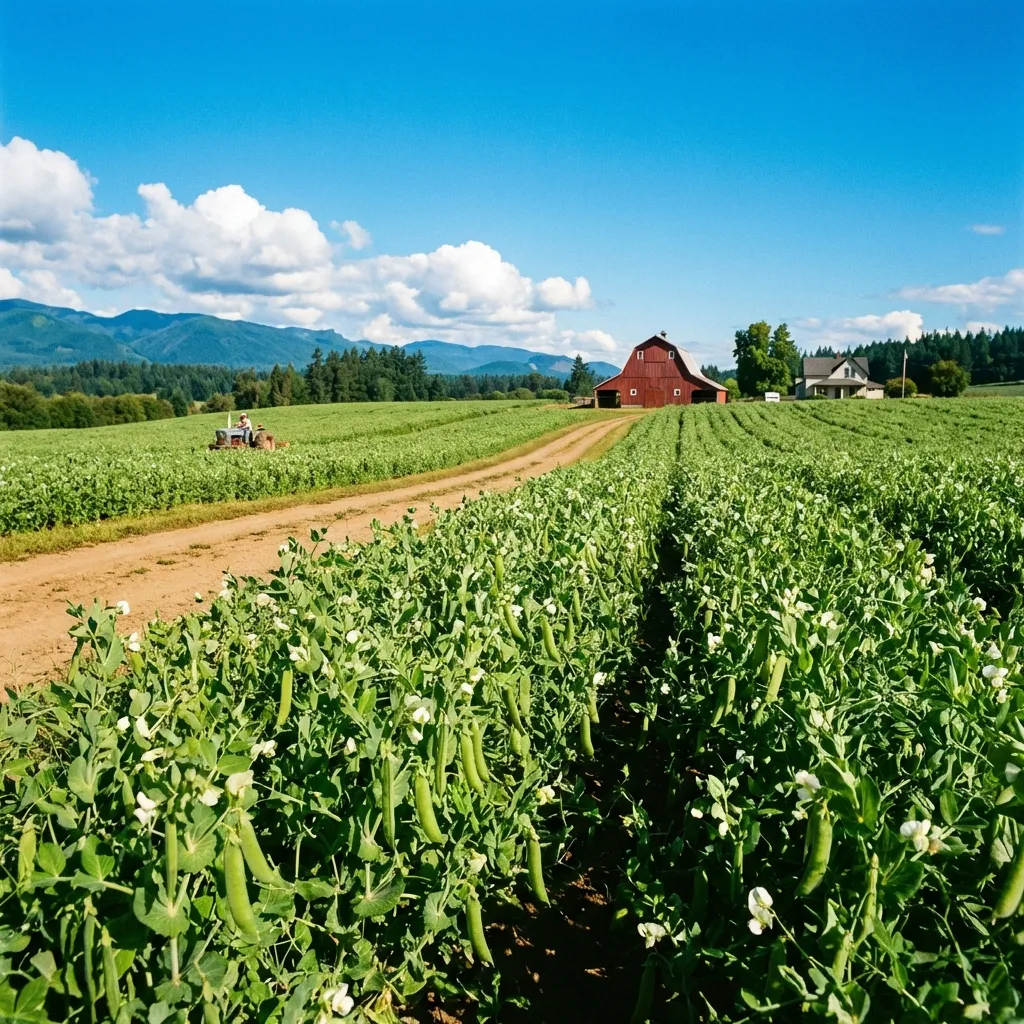
The New Contender: Mung Bean
While Pea Protein has established itself as the market leader, Mung Bean Protein is gaining traction. Derived from the mung bean (Vigna radiata), it offers unique functional properties that pea protein sometimes lacks.
Amino Acid Profile
Both proteins are excellent sources of lysine, which is often lacking in grain-based proteins like rice.
- Pea Protein: Typically higher in BCAAs (Leucine, Isoleucine, Valine), making it ideal for muscle recovery.
- Mung Bean Protein: Slightly lower overall protein content but exceptional digestibility.
Texture and Functionality
- Pea Protein: Can have a slightly “chalky” texture if not processed correctly. It has good water-binding capabilities.
- Mung Bean Protein: Known for its “gelation” properties (similar to egg whites). This makes it a superstar for plant-based eggs (like Just Egg) and bakery applications where structure is needed.
Flavor Profile
- Pea: Has a distinct “beany” or “earthy” note.
- Mung Bean: Generally more neutral and cleaner tasting than commodity pea protein.
Conclusion
- Use Pea Protein for: Protein shakes, sports nutrition, and cost-effective fortification.
- Use Mung Bean Protein for: Meat alternatives, egg replacements, and applications requiring gelation.
ToNutra supplies premium grades of both isolate and concentrate forms.