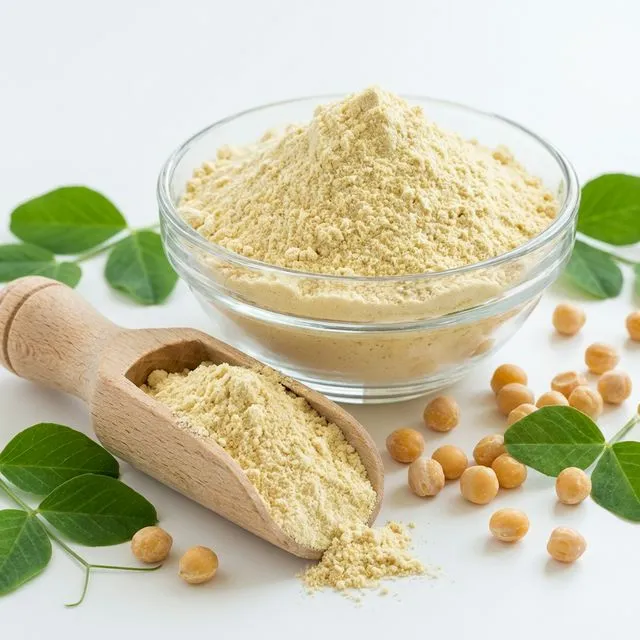
The Rise of Pea Protein
Pea protein has become the dominant plant-based alternative to whey, thanks to its complete amino acid profile (rich in BCAAs) and allergen-friendly nature (free from soy, dairy, gluten). But variance in quality is huge.
Isolate vs. Concentrate
- Pea Protein Isolate: Contains 80% - 85% protein. It undergoes a filtration process to remove most carbs and fats. It is the standard for protein powders.
- Pea Protein Concentrate: Contains 50% - 60% protein. Less processed, retaining more fiber and starch. Often used in baking or meat alternatives.
Sensory Profile: The “Grassy” Note
The biggest challenge with pea protein is taste. Poor quality pea protein tastes “grassy,” “beany,” or “chalky.”
- Premium Pea Protein: Uses proprietary processing to neutralize these off-notes, resulting in a smooth, creamy, and neutral flavor. This is essential for vanilla or chocolate flavored shakes.
Sourcing Matters
Most pea protein comes from yellow split peas.
- Origin: Quality peas are often sourced from Canada or Northern China.
- Testing: Look for Heavy Metal testing. Since peas grow in the ground, they can absorb lead and cadmium. Reputable suppliers (like ToNutra) provide COAs guaranteeing heavy metal compliance with strict standards (like Prop 65).
Summary
When evaluating pea protein samples:
- Check the Protein Content (Isolate > 80%).
- Do a Taste Test in water (Is it neutral?).
- Ask for the Heavy Metal Report.
Choosing a clean-tasting protein will allow you to use less sugar and flavoring in your final product.